Coffee Bar Accessories: What to Buy First and What to Skip
Updated Sep 22, 2026 · 9 min read
Short answer
Start with three things: an airtight opaque canister, a silicone mat under the machine, and a kitchen scale. That is about $50 and covers freshness, mess and consistency, and everything else is optional.
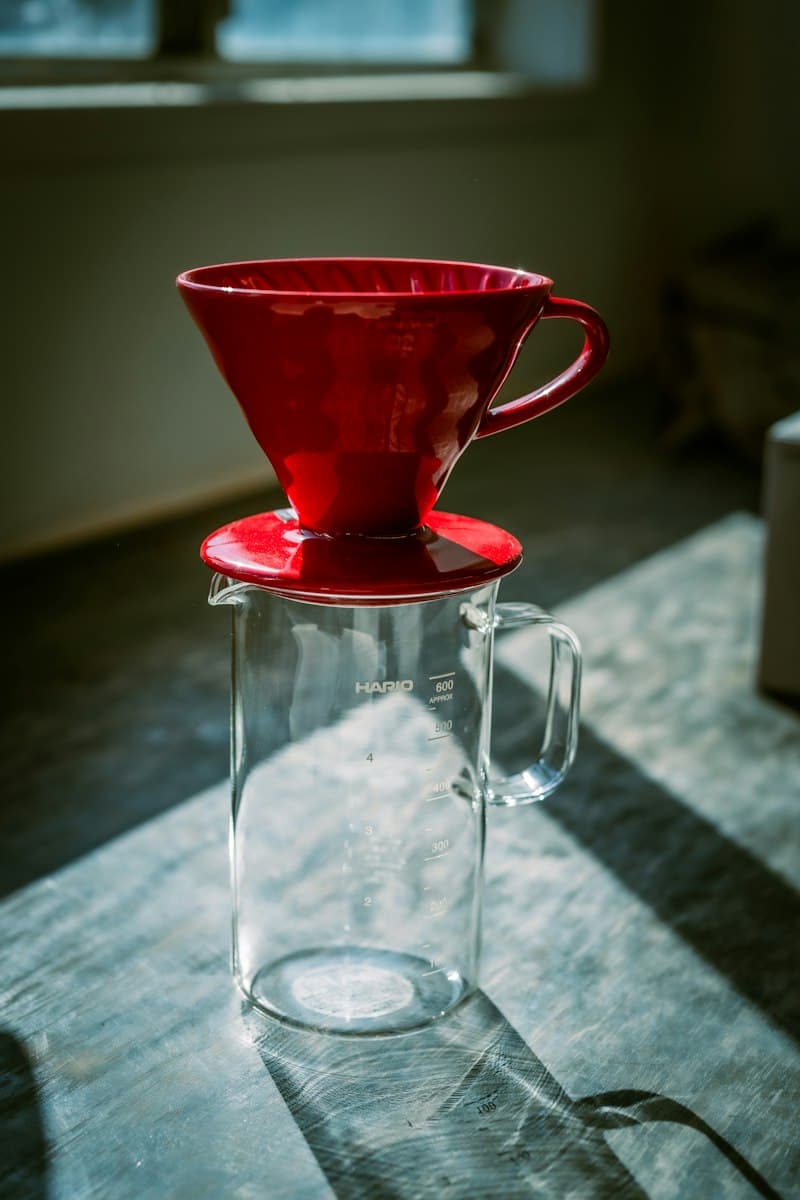
Accessories will not change how your coffee tastes much, with two exceptions: a canister and a scale. What they do change is how the coffee bar works every morning and whether it looks like a station or like things you forgot to put away. Here is what to buy, in what order, and what to leave on the store shelf.
What to buy first, in order
| Priority | Accessory | Typical price | Who needs it |
|---|---|---|---|
| 1 | Airtight opaque canister | $15-$40 | Everyone who buys whole beans or ground coffee |
| 2 | Silicone bar mat or drip mat | $10-$18 | Everyone |
| 3 | Kitchen scale (0.1 g or 1 g) | $15-$55 | Everyone, espresso and pour-over most of all |
| 4 | Knock box | $20-$50 | Espresso only |
| 5 | Tamping mat, about 6 x 8 in | $8-$15 | Espresso only |
| 6 | Gooseneck kettle | $35-$170 | Pour-over |
| 7 | Tray | $12-$60 | Stations that share a kitchen counter |
| 8 | Countertop organizer | $15-$40 | Pod users, anyone with lots of small items |
| 9 | Mug rack or tree | $12-$50 | Anyone short on cabinet space |
A canister
Beans lose most of their character within 2 to 3 weeks of opening the bag. An airtight, opaque canister slows that down. A vacuum or plunger-lid model slows it a little more. Skip clear glass jars on the counter, because light is one of the things that stales coffee. The coffee canister guide covers materials, valves and sizing.
A mat under the machine
Coffee stains countertops, and every machine drips. A silicone mat with a raised edge is the cheapest fix that works. More on types and sizes below.
A scale
Scoops are inconsistent, and a scale is what makes Tuesday's cup taste like Monday's. A $15 kitchen scale that reads to 1 g is enough for drip and French press. For espresso you want 0.1 g resolution, and for pour-over a built-in timer is handy. Those run $25 to $55.
A knock box, if you pull espresso
You need somewhere to dump the puck that is not the trash can across the room. (Knock box, portafilter and the other espresso terms are explained in the glossary.) A small knock box about 4 to 5 inches across fits beside any machine. Larger ones are quieter and need emptying less often. If you brew drip or pods, you do not need one.
A gooseneck kettle, if you do pour-over
The narrow spout gives you a slow, controlled pour, which is the whole point of pour-over. Basic stovetop goosenecks start around $35. Electric ones with temperature hold run $60 to $170. For drip or espresso, a regular kettle is fine. The home barista setup guide covers grinders and machines, which matter more than any accessory here.
Coffee bar mats: types and sizes
A mat protects the counter from drips, puck water, and condensation from a cold milk jug. A $10 mat is cheaper than refinishing a surface.
| Mat type | Price | Good at | Weak at |
|---|---|---|---|
| Silicone bar mat | $10-$15 | Non-slip, heat resistant, rinses clean, often dishwasher safe | Looks functional, not decorative |
| Rubber bar mat (restaurant supply) | $8-$12 | Grid channels spills, dampens machine vibration on light tables and carts | Ugly. Best hidden under the machine |
| Fabric or microfiber mat | $12-$18 | Absorbent, printed designs, machine washable | Gets musty without a weekly wash, not heat resistant |
| Diatomaceous earth (stone) mat | $15-$30 | Absorbs water fast, dries itself, looks minimal | Cracks if dropped, stains from coffee, needs occasional sanding |
Stone mats suit drip setups where the spills are mostly water. For an espresso station, with grounds and oils involved, stick with silicone or rubber. Do not rest a hot portafilter on a fabric mat.
What size mat to get
| Coverage | Mat size |
|---|---|
| Machine only | 12 x 18 in (30 x 46 cm) |
| Machine plus grinder | 18 x 24 in (46 x 61 cm), or a long runner |
| Whole station | 24 x 36 in, though a tray usually looks better at this size |
A vibration-damping rubber mat is worth it if your machine sits on a lightweight coffee bar cart or table.
Coffee bar trays
A tray is the cheapest thing that makes the biggest visual difference. A machine and a canister on a bare counter look like clutter. The same two things on a tray look like a setup.
A tray does three jobs. It marks the edge of the station, it keeps small drips off the counter, and it makes the whole coffee corner portable. In a small coffee bar that shares space with cooking, being able to lift the entire station out of the way is useful.
Wood, metal or stone
| Material | Price | Notes |
|---|---|---|
| Wood (acacia, bamboo, walnut, pine) | $15-$30 | Most popular. Warm, sturdy. Whitewashed or distressed finishes suit a farmhouse coffee bar. Discount home stores often have them for $10-$20 |
| Metal (black, brass, gold, copper) | $12-$35 | Suits a modern coffee bar. Easier to wipe than wood. Add felt pads so it does not scratch the counter |
| Marble or stone | $30-$60 | Heavy, so it stays put. Stains if coffee sits on it. Seal it, or put a silicone mat under the machine |
What size tray fits a coffee maker
Measure the footprint of your machine first. The tray needs to be at least 2 inches wider and deeper than the machine, so a canister or sugar jar fits beside it.
About 18 x 12 inches (46 x 30 cm) works for a pod machine or compact drip brewer plus one canister. Add a grinder and you need roughly 20 x 14 inches, or two trays side by side. Many espresso machines are 12 to 16 inches deep, which is deeper than most decorative trays. In that case use a mat under the machine and a smaller tray beside it for the canister and sugar.
What goes on the tray
Less than you think: the machine, one canister, and maybe a sugar container. Everything else goes beside it or in a cabinet below. If an item does not fit with some space around it, it does not go on the tray.
Tray, mat, or nothing
Use a tray when the station shares a counter with other kitchen work and needs a visible border. Use a mat when you only care about protecting the surface. Use neither when the machine sits on its own table or cabinet, where the whole top is already the coffee bar.
Coffee station organizers
A countertop organizer is one container for all the small loose things: pods, sugar packets, stirrers, filters, spoons, tea bags. Once you have more than three or four of those next to the machine, an organizer takes up less room than the pile it replaces.
| Organizer type | Typical size | Best for |
|---|---|---|
| Compartment caddy | About 10-15 in wide, 5-6 in deep | Sugar, stirrers, napkins, tea bags |
| Pod drawer (machine sits on top) | About 12-14 in wide, 2.5-3.5 in tall | Pod machines. Holds roughly 30-40 pods |
| Tiered stand or lazy Susan | 9-12 in diameter | Syrup bottles, corner spots |
| Drawer dividers | Cut to fit | Anyone with a drawer under the station |
Check the height before buying a pod drawer. It raises the machine by about 3 inches, and standard upper cabinets sit only 18 inches above the counter. If your machine fills its reservoir or loads pods from the top, that clearance goes fast.
Pick a caddy with fewer, larger compartments. Tiny slots only fit the products in the listing photo. If you stock syrups, a small turntable keeps the bottles reachable without lining them up along the backsplash. The list of what to keep in it is in the guide to stocking your coffee bar, and the organization guide covers zones and drawer layout.
Mugs: racks, trees and hooks
Most people own more mugs than they have cabinet space for. Wall racks, under-cabinet hooks and countertop trees each solve that differently, and the right one depends on your walls (can you drill or not) and how much counter you can spare. Display 4 to 8 and store the rest. Details, mounting heights and weight limits are in the mug rack guide.
Coffee bar signs and wall art
Most coffee bar signs state the obvious. "Coffee Bar." "But first, coffee." If a guest needs a sign to identify the coffee maker, the sign is not the problem. Skip those, and skip the ones listing every drink from espresso to mocha.
What tends to look good:
- A small chalkboard. A framed one around 16 x 20 inches costs $15-$25. Write today's beans on it. It changes, so it does not go stale. Use a chalk marker, which stays put and wipes clean. Works in every style.
- Vintage coffee ads and cafe prints. Old Italian espresso posters and retro coffee ads have real graphic design behind them. Reproduction prints run $10-$20 plus a frame. Public domain poster archives from national libraries are free to print.
- Metal signs with real wear. Embossed tin with actual patina, not a printed "aged" effect on flat metal. $12-$35 for reproductions, $40 and up for vintage. Thrift and antique shops are the best source, often $5-$30.
- A small LED neon. Warm white or amber, 12 to 18 inches wide, $40-$80 for custom. Keep it small. It is an accent.
Sign size and placement
| Coffee bar width | Sign width | Hanging height |
|---|---|---|
| 24-30 in | 12-18 in | 6-10 in above the tallest item |
| 36 in | 16-24 in | 6-10 in above the tallest item |
| 48 in and wider | 24-30 in, or a group of 3 matching prints | 6-10 in above the tallest item |
One sign, properly sized, beats several. Eight mismatched signs is noise. If you want a gallery look, use three prints in the same frame style.
Leaning a framed print against the wall on the counter or on a shelf works too. No drilling, easy to swap. The styling guide covers how wall art fits with the rest of the decor.
What to skip
Mug warmers, unless you take 45 minutes or more per cup. An insulated mug is cheaper and needs no outlet. If you are that slow sipper, the electric mug warmer guide has the breakdown.
Syrup pumps and bottle racks, unless you make flavored drinks for several people. A pour spout does the same job in less space.
Single-purpose tools. A milk pitcher when you have no steam wand. Latte art pens. Coffee-themed decor you will stop noticing in a week.
The $50 starter kit
If you are buying everything at once: a canister ($25-$35), a silicone bar mat ($12), and a basic kitchen scale ($15). That covers freshness, mess and consistency, the three things you notice daily. Add a tray if the station shares a counter. The setup guide covers the rest of the build, and the coffee bar ideas gallery shows how other people arrange these pieces.
Coffee bar accessories as gifts
The gifts that get used fit how the person already makes coffee. A $14-$22 bag of fresh beans from a local roaster beats a $40 novelty set.
| Budget | Gifts that get used |
|---|---|
| Under $25 | Fresh beans, airtight canister, bar mat, handmade ceramic mug, wooden scoop |
| $25-$50 | 0.1 g coffee scale, gooseneck kettle, knock box (espresso drinkers), mug rack, 1-3 month bean subscription |
| $50-$100 | Manual burr grinder, mug warmer for desk sippers, espresso prep set (tamper, distribution tool, dosing funnel) |
| $100 and up | Electric burr grinder, full pour-over kit, or coffee bar furniture at $150-$400 |
A basket works well for a new station: a tray, a canister, a bar mat and a small plant come to roughly $40-$80.
What usually misses: flavored beans or syrups for someone who drinks coffee black, novelty slogan mugs, coffee-scented candles, blade grinders, and a pod machine for someone who grinds their own beans. At $100 and up, ask what they already own.
Questions people ask
- What accessories do you need for a coffee bar?
- An airtight canister for beans, a mat or tray under the machine, a scale, and somewhere to put mugs. Espresso setups add a knock box and a tamping mat. Pour-over setups add a gooseneck kettle.
- What size tray do I need for a coffee station?
- The tray should be at least 2 inches wider and deeper than the machine so a canister fits beside it. About 18 x 12 inches suits a pod or compact drip machine. Espresso machines are often 12 to 16 inches deep, so check the depth before buying.
- Should I use a tray or a mat under my coffee maker?
- Use a mat if the goal is protecting the counter from drips and heat. Use a tray if the station shares a counter with cooking and you want a clear visual border. On a dedicated table or cabinet you can skip both.
- What is a coffee station organizer?
- A countertop caddy, drawer or tiered stand that holds pods, sugar, stirrers, filters and spoons in one place. It is worth having once you keep more than three or four small loose items next to the machine.
- How big should a coffee bar sign be?
- For a coffee bar about 36 inches wide, a sign 16 to 24 inches wide looks right. Under 12 inches looks like an afterthought and over 30 inches crowds the station. Hang it 6 to 10 inches above the tallest item.
- What is a good gift for someone with a coffee bar?
- Fresh beans from a local roaster is the safest choice. After that, small upgrades they would not buy themselves: an airtight canister, a bar mat, a scale, or a handmade mug.