How to Stock a Coffee Bar: Syrups, Creamers, Beans and Extras
Updated Sep 22, 2026 · 10 min read
Short answer
Keep one bag of beans, two or three syrups, one creamer or milk, sugar, and a few tea bags for guests. Use 1 to 2 tablespoons of syrup per 8 oz drink, and make homemade 1:1 simple syrup in small batches, since it keeps about a month in the fridge.
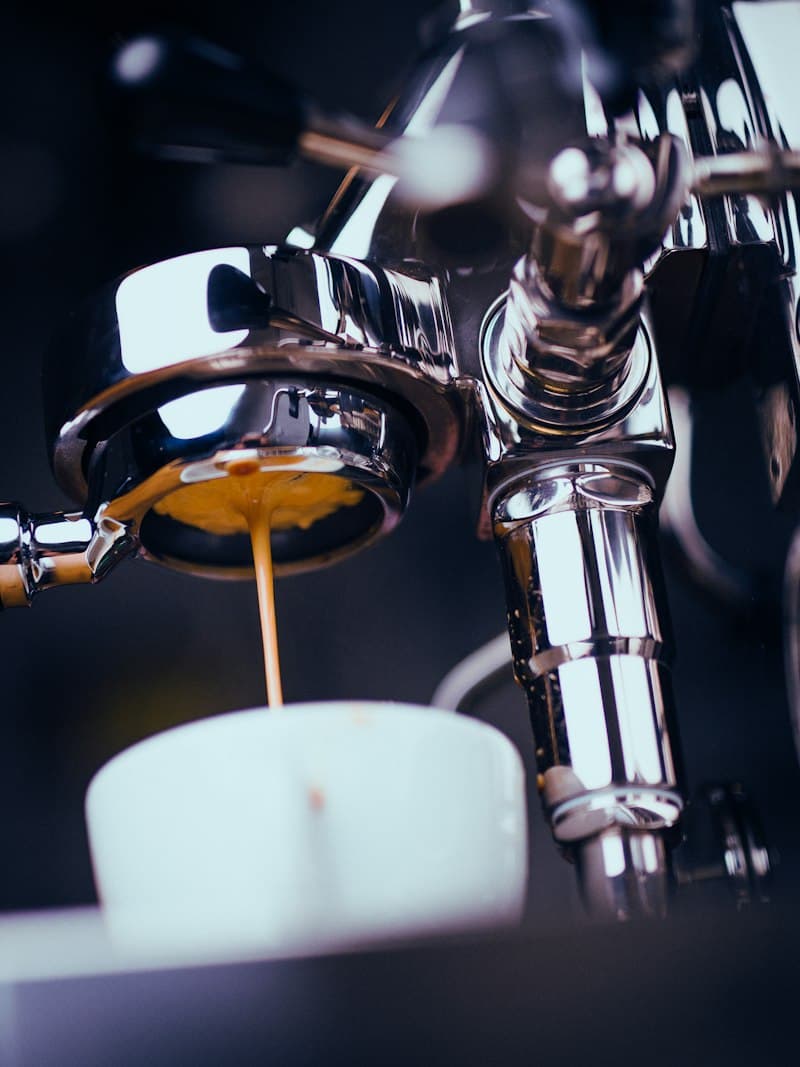
A well-stocked coffee bar is smaller than you would expect. Most of what makes coffee taste good is fresh beans, and most of what goes wrong with a stocked station is things expiring at the back. Buy less, in smaller sizes, and restock more often. Here is what to keep, how much of it, and how long each thing lasts.
Restock checklist
Amounts are for a household of one or two coffee drinkers. Where a label gives a shorter date than this table, the label wins.
| Item | Keep on hand | Where | Good for, once opened |
|---|---|---|---|
| Whole beans | One 12 oz bag (about 20 cups) | Airtight opaque canister, room temperature | Best within 2-3 weeks |
| Ground coffee or pods | 1-2 week supply | Sealed, room temperature | Ground: 1-2 weeks for decent flavor. Pods: by the date on the box |
| Decaf | Small bag or a sleeve of pods | Same as above | Same as above |
| Bottled syrups | 2-3 flavors | Capped, room temperature, out of the sun | Roughly 1-3 months. Check the label |
| Chocolate or caramel sauce | 1 | Usually the fridge, per label | Per label |
| Homemade simple syrup (1:1) | 1 cup at a time | Fridge, sealed bottle | About 1 month |
| Milk or half-and-half | 1 carton | Fridge, 40 F (4 C) or colder | About 7 days, and not past the date |
| Shelf-stable plant milk | 1 open, 1 spare | Pantry until opened, then the fridge | 7-10 days. Check the carton |
| Homemade creamer | 1 small jar | Fridge | 5-7 days, and not past the date of the dairy in it |
| Cold brew | 1 quart | Fridge, sealed | 7-10 days |
| Sugar, raw sugar, honey | 1 container each | Sealed, room temperature | Effectively indefinite if kept dry |
| Cinnamon, cocoa powder | 1 small jar each | Sealed, room temperature | Safe for years. Flavor fades after about a year |
| Tea bags, hot cocoa mix | 2-3 kinds of tea, 1 cocoa | Sealed tin or jar | About a year for good flavor |
| Filters, stirrers, napkins | A month's worth | Drawer or organizer | Not applicable |
Coffee syrups: which to buy and how much to use
Start with two or three. Vanilla goes with everything and is the one to get first. Caramel and hazelnut are the usual second and third. Add a seasonal one, such as pumpkin spice, peppermint or brown sugar cinnamon, only when you will finish it. Six open bottles means four stale ones.
How much syrup per drink
Use about 1 to 2 tablespoons (0.5 to 1 oz) per 8 oz drink. Coffee shops sit at the sweeter end of that. At home, start with 1 tablespoon.
| Drink size | Lightly sweet | Coffee-shop sweet |
|---|---|---|
| 8 oz | 1 tbsp (0.5 oz) | 2 tbsp (1 oz) |
| 12 oz | 1.5 tbsp (0.75 oz) | 3 tbsp (1.5 oz) |
| 16 oz | 2 tbsp (1 oz) | 4 tbsp (2 oz) |
A note on pumps: they are not a standard unit. Many pumps sold for retail syrup bottles give about 1/4 oz per press, and cafe pumps are often closer to 1/2 oz. With a 1/2 oz pump, the rule is 1 to 2 pumps per 8 oz. With a 1/4 oz pump it is 2 to 4. Press one pump into a tablespoon measure once and you will know which you have. A tablespoon is 1/2 oz.
For one or two people, a pour spout or a plain measuring spoon works as well as a pump and leaves less to clean. Pumps start to make sense when several people use the station every day.
Shelf life and sugar-free syrups
Unopened bottles are fine until the best-by date, which is often a year or more out. Once opened, most makers suggest finishing a bottle within roughly 1 to 3 months. Sugar is the preservative, so regular syrups are forgiving. Keep them capped, at room temperature, and away from the window and the top of the espresso machine, which gets warm.
Sugar-free syrups are sweetened with sucralose, stevia or similar. They are useful to keep for guests who avoid sugar. Two things to know: some people notice an aftertaste, so buy one small bottle before committing, and without sugar as a preservative they can have a shorter life after opening. Read the label on those.
Sauces are thicker than syrups and are what you want for mochas and drizzle. Many need refrigerating once open.
Simple syrup recipe (1:1)
Homemade syrup costs almost nothing and dissolves into iced drinks, which granulated sugar does not.
- Combine 1 cup sugar and 1 cup water in a small pan.
- Heat and stir just until the sugar dissolves and the liquid turns clear. It does not need to boil.
- Cool, pour into a clean bottle or jar, and refrigerate.
That makes about 1.5 cups, which is 12 to 24 drinks. Plain 1:1 syrup keeps about 1 month in the fridge. Throw it out if it goes cloudy, grows anything, or smells off.
Variations:
- Vanilla: stir in 1 to 2 teaspoons of vanilla extract after it cools.
- Brown sugar: swap in brown sugar for a caramel, molasses note that suits iced lattes and shaken espresso.
- Cinnamon: simmer with 2 cinnamon sticks for 10 minutes, then strain.
Syrups made with whole spices, herbs or fruit do not last as long as plain syrup. Plan on 1 to 2 weeks and make half batches.
Creamers and milk
Pick one and keep it fresh. Most households need a single dairy or non-dairy option, plus a shelf-stable carton in the cupboard as backup.
| Type | Unopened | Opened | Notes |
|---|---|---|---|
| Milk | Fridge, by the date | About 7 days | Whole milk froths best |
| Half-and-half | Fridge, by the date | About 7 days | The standard coffee creamer in the US |
| Refrigerated flavored creamer | Fridge, by the date | Commonly 1-2 weeks. Check the label | Replaces both syrup and milk |
| Shelf-stable plant milk (oat, almond, soy) | Pantry, months | 7-10 days in the fridge | "Barista" versions steam and froth better and split less in hot coffee |
| Single-serve creamer cups | Pantry, by the date | One use | Handy for guests and offices. No fridge needed for the shelf-stable kind |
| Powdered creamer | Pantry, by the date | Months if kept dry | Backup only |
Dairy should not sit out. Food safety guidance is 2 hours at room temperature at most, so if you are setting up for brunch, put the milk jug in a bowl of ice or bring it out in small amounts.
If the fridge is across the house from the coffee corner, a small fridge under or beside the station fixes that. A 1.6 to 3.3 cu ft model is about 17 to 19 inches wide. Sizes, clearances and placement are in the guide to a coffee bar with a mini fridge.
Homemade coffee creamer basics
The usual base is one 14 oz can of sweetened condensed milk whisked with about 1.5 cups of milk or half-and-half. That makes roughly 3 cups. Flavor it with 1 to 2 teaspoons of vanilla extract, a tablespoon of cocoa powder, or half a teaspoon of cinnamon.
For a less sweet version, skip the condensed milk. Use half-and-half, sweeten it to taste with your simple syrup, and add vanilla.
Keep it in a sealed jar in the fridge and shake before pouring. It lasts only as long as the freshest dairy in it would have: use it within 5 to 7 days, and never past the date on the milk or half-and-half you used. Make small batches.
Beans and how to store them
Buy one bag at a time. Whole beans taste best 1 to 3 weeks after roasting and are noticeably flat after about 4 weeks. A 12 oz bag makes about 20 cups, so at two cups a day it lasts around 10 days, which is the right pace.
- Look for a roast date on the bag, not only a best-by date.
- Store beans in an airtight, opaque canister at room temperature. Not in the fridge. The coffee canister guide covers sizes and materials.
- Grind per brew if you can. Ground coffee fades within days. If a grinder is the next purchase, the home barista setup guide covers which kind to get.
- Keep a small bag of decaf or a sleeve of decaf pods for evening guests. Decaf goes stale at the same rate, so buy it small.
If you use pods, 1 to 2 weeks of supply in a drawer or organizer is plenty. Bulk boxes are cheaper per pod and take over the cabinet. The organization guide has storage options.
Iced coffee at home
Hot coffee poured over ice turns watery, because the ice melts into it. There are two fixes.
Brew double strength, straight onto ice. Use your normal amount of coffee and half the water, and put ice in the carafe or cup to make up the other half. For a 12 oz drink: coffee for 12 oz, 6 oz of hot water, about 6 oz of ice. The ice melts as the coffee hits it, and you end up at normal strength and cold in about a minute. This works with drip, pour-over and AeroPress.
Brew ahead and chill. Brew at normal strength, let it cool for a few minutes, and refrigerate in a sealed jar. It is best within a day. After that it tastes stale and a little sour, although it is safe for several days.
Two small upgrades: freeze leftover coffee in an ice cube tray so the cubes do not dilute the drink, and sweeten with syrup, because sugar will not dissolve in cold coffee.
Cold brew at home
Cold brew takes no equipment beyond a jar and a strainer. It is smoother and less acidic than iced coffee because the grounds never meet hot water.
| Ready to drink | Concentrate | |
|---|---|---|
| Coffee to water, by weight | 1:8 | 1:4 |
| Example batch | 4 oz (115 g) coffee, 32 oz (about 950 g) water | 8 oz (225 g) coffee, 32 oz (about 950 g) water |
| Grind | Coarse, like for French press | Coarse |
| Steep time | 12-18 hours in the fridge | 12-18 hours in the fridge |
| To serve | Over ice | Dilute about 1:1 with water or milk, then ice |
| Keeps, strained and sealed, in the fridge | 7-10 days | 7-10 days |
- Put coarse-ground coffee in a large jar or pitcher. Fine grounds make it muddy and bitter.
- Add cold water and stir so all the grounds are wet.
- Cover and refrigerate for 12 to 18 hours. Past 24 hours it turns bitter and woody.
- Strain through a fine mesh sieve, then through a paper filter if you want it clear.
- Store sealed in the fridge.
Concentrate takes half the fridge space for the same number of drinks, which matters in a mini fridge. Either way, the flavor is best in the first week. Once milk or cream goes in, treat it like milk and drink it that day.
Sweeteners and toppings
Cover the basics first: white sugar, plus one alternative such as raw sugar, honey, or a zero-calorie sweetener for guests who use one. All of these keep practically forever in a sealed, dry container. Sugar cubes or packets are less messy than an open bowl and a spoon that ends up wet.
Toppings that get used:
- Ground cinnamon in a shaker. The most used topping by a wide margin.
- Unsweetened cocoa powder for dusting cappuccinos and making mochas.
- Chocolate or caramel sauce if you make mochas or like a drizzle.
- Whipped cream in a can, in the fridge. Buy it for occasions. It rarely gets finished otherwise.
Ground spices do not spoil, but they lose most of their smell after a year or so. Buy the small jar.
Keep all of it in one tray or caddy so it does not spread across the counter. The coffee bar accessories guide covers organizers and trays.
Tea and cocoa for guests who do not drink coffee
Someone always asks for tea. Three kinds cover nearly everyone:
- One black tea, such as English breakfast or Earl Grey
- One green tea
- One caffeine-free herbal, such as peppermint or chamomile
Add hot cocoa mix if kids visit. Store tea bags in a sealed tin or jar, away from the coffee, because tea picks up other smells easily. It stays pleasant for about a year.
You also need a way to make hot water. A kettle is the simple answer, and many pod machines will run a plain hot water cycle with no pod in. Drip machines do not make good tea water, since it comes out tasting of coffee.
What to skip
- A full syrup lineup. Two or three bottles you finish beat eight you do not.
- Bulk beans. A 2 lb bag is a bargain only if you drink it within a month.
- Big bottles of flavored creamer for a one-person household. Buy the small size.
- Anything bought only for looks. Jars of coffee beans as decor go stale and oily. If you want them for display, accept that they are decor and do not brew them.
A sensible stock list fits in one cabinet shelf, one tray, and a door shelf in the fridge. If you are still planning the station itself, start with the setup guide or browse the coffee bar ideas gallery for layouts.
Questions people ask
- How much syrup do you put in a cup of coffee?
- About 1 to 2 tablespoons (0.5 to 1 oz) per 8 oz drink. Start with 1 tablespoon and adjust. Pump sizes vary, so measure one pump of yours into a tablespoon once and count from there.
- How long does homemade simple syrup last?
- Plain 1:1 simple syrup keeps about 1 month in a clean, sealed bottle in the fridge. Syrups made with fruit, herbs or spices keep 1 to 2 weeks. Throw it out if it turns cloudy or smells off.
- Do coffee syrups need to be refrigerated?
- Most bottled coffee syrups are shelf-stable and stay at room temperature, capped, after opening. Thick sauces such as chocolate or caramel, and anything containing dairy, usually need the fridge. The label decides.
- How long does cold brew last in the fridge?
- Strained cold brew keeps 7 to 10 days in a sealed container in the fridge, and tastes best in the first week. Once you add milk or cream, drink it the same day.
- What is the ratio for cold brew coffee?
- By weight, about 1 part coarse-ground coffee to 8 parts water for ready-to-drink cold brew, or 1 to 4 for a concentrate you dilute about 1:1. Steep 12 to 18 hours in the fridge, then strain.
- What should every home coffee bar have?
- Beans or pods, a sweetener, one milk or creamer, and mugs. After that, add a couple of syrups, a decaf option, and tea or cocoa for guests who do not drink coffee.